Find a CBT Therapist for Eating Disorders in California
This page lists CBT therapists in California who focus on treating eating disorders, with profiles showing approaches, qualifications and locations. Browse the listings below to compare clinicians, find availability and schedule a consultation in your area.
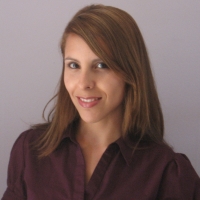
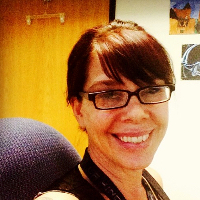




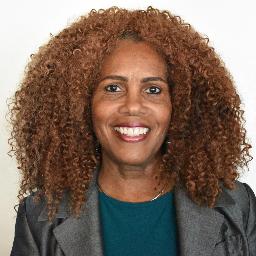
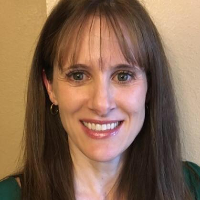
Cynthia Rumford-Jones
LCSW
California - 22 yrs exp














How CBT approaches eating disorders
Cognitive behavioral therapy, or CBT, treats eating disorders by addressing the thoughts and behaviors that maintain unhealthy patterns around food, weight and body image. CBT helps you identify unhelpful beliefs - such as all-or-nothing thinking about eating or persistent fears about losing control - and then tests and modifies those beliefs through practical exercises. At the same time it changes behaviors that keep symptoms in place, replacing avoidance and rigid rules with structured routines and skills that reduce distress and support healthier patterns.
Cognitive mechanisms
In session you will work with your therapist to notice automatic thoughts that influence eating choices and self-evaluation. The aim is to recognize cognitive distortions and learn alternative, evidence-based ways of thinking that reduce anxiety and shame. You and your clinician will examine how beliefs about body image or weight feed restrictive eating, binge cycles or compensatory behaviors, and you will practice reframing and reality-testing to weaken those patterns over time.
Behavioral mechanisms
Behavioral techniques in CBT focus on changing what you do day to day. This may include regular eating schedules to reduce extremes of hunger and fullness, behavioral experiments to test feared outcomes, and exposure to avoided foods or social eating situations so that anxiety naturally decreases. Homework assignments are central - the skills you practice between sessions are what allow changes to generalize to everyday life. Over weeks and months, small behavioral changes stack into more sustainable habits.
Finding CBT-trained help for eating disorders in California
When you look for care in California, you will find clinicians with varied backgrounds - psychologists, licensed clinical social workers, marriage and family therapists, and licensed professional counselors. What matters most is specific training and experience in CBT for eating disorders, not just a general license. Many therapists list additional training in eating disorder treatments, supervision in CBT approaches, or experience working with medical teams, which can be important if you are also seeing nutritionists or physicians.
Availability can differ by region. In major population centers such as Los Angeles and San Francisco you are more likely to find clinicians who specialize in CBT for complex eating presentations and offer a range of intensities. San Diego, San Jose and Sacramento also have experienced providers, though rural and suburban areas may require broader searches or telehealth options. When searching, look for language about CBT-based programs, cognitive restructuring, behavioral experiments, and exposure work, as these indicate a focus on CBT principles.
What to expect from online CBT sessions for eating disorders
Online CBT sessions are structured much like face-to-face therapy but delivered through video or phone. During an initial assessment your therapist will gather your history, current patterns, and treatment goals, and may ask about medical or nutritional needs so they can coordinate care. You will collaborate on a treatment plan that includes session goals, homework tasks, and criteria for progress. Sessions usually last 45 to 60 minutes and are scheduled weekly or every other week depending on severity and availability.
In online sessions you will still engage in cognitive work, review homework, and practice behavioral strategies. Therapists often use screen-sharing to work on thought records or meal planning, and they can guide in vivo exposure exercises when appropriate. Technical considerations include a quiet location and a stable internet connection so you can focus. If you need to involve a support person, such as a family member for adolescent care, many clinicians can arrange joint sessions online to teach supportive skills.
Evidence supporting CBT for eating disorders in California
Research and clinical guidelines support CBT as an effective approach for many people with eating disorders, particularly when treatment is delivered by clinicians trained in CBT techniques for this population. In California, academic centers and community clinics contribute to a broad base of clinical practice that adapts CBT methods to diverse populations and comorbid needs. While no treatment is guaranteed to work for everyone, CBT's emphasis on measurable goals, structured interventions and homework makes it a widely recommended option for individuals seeking to reduce disordered eating behaviors and improve quality of life.
When evaluating evidence, consider whether a therapist uses standard CBT protocols or adaptations designed for eating disorders, such as enhanced CBT approaches that specifically target eating-related patterns and maintenance mechanisms. Experienced CBT clinicians will typically use outcome measures to track progress and adjust treatment plans, which helps keep your goals central to the process.
Tips for choosing the right CBT therapist in California
Choosing a therapist is a personal decision. Start by looking for clinicians who explicitly list CBT and eating disorder experience in their profiles. Read clinician descriptions to understand their theoretical orientation, populations they serve, and whether they collaborate with nutrition or medical providers. If you live near Los Angeles, San Francisco or San Diego you may be able to find specialists who offer stepped care or partial hospital options, while other regions may rely more on outpatient CBT with strong coordination of community resources.
When you contact a therapist, asking a few practical questions can help you decide. Inquire about their training in CBT for eating disorders, how they structure sessions, what a typical course of treatment looks like, and how they measure progress. Discuss logistics like fees, insurance, cancellation policies and whether they offer evening or weekend appointments. Also consider whether you prefer in-person sessions or remote work; many clinicians offer both and can explain how they adapt CBT techniques online.
Navigating care and next steps
Once you select a clinician, expect an initial period of assessment and goal-setting that helps match treatment intensity to your needs. Progress often comes from consistent practice of skills between sessions, honest review of setbacks, and ongoing collaboration with your therapist. If you are working with medical or nutrition professionals, a CBT clinician experienced in eating disorders can coordinate with those providers to create a cohesive plan.
If you do not feel a good fit with one clinician, that is a normal part of the search process. You can continue to explore listings across cities like San Francisco and Los Angeles or expand to nearby areas. Take time to read profiles, ask questions during a brief phone or video consultation, and trust your sense of whether a therapist's style and experience align with your goals. Finding the right CBT therapist in California can be an important step toward changing patterns that have been difficult to shift on your own.
Whatever stage you are at, using CBT principles means you will be working toward concrete skills and measurable changes. With a clinician who specializes in eating disorders and a clear plan, you can work steadily toward more flexible routines, fewer distressing behaviors and improved coping strategies that fit your life in California's varied communities.