Find a CBT Therapist for Coping with Life Changes in California
This page connects you with California CBT therapists who focus on helping people navigate life changes. Use the listings below to compare clinicians by experience, location, and online availability, then reach out to schedule a consultation.










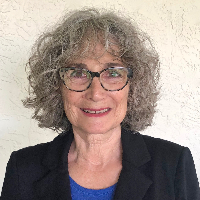


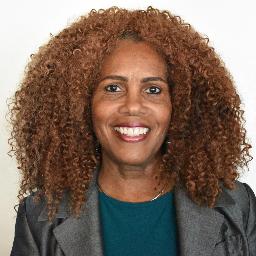
Cynthia Rumford-Jones
LCSW
California - 22 yrs exp










How CBT helps you cope with life changes
When life shifts - whether due to a career transition, a move, the end of a relationship, caregiving responsibilities, or major health and family changes - your thoughts and behaviors often shift as well. Cognitive behavioral therapy, or CBT, is a skills-based approach that helps you identify those thought patterns and test them against reality. Through structured work with a CBT therapist you learn to notice unhelpful thinking that increases distress and to practice behavioral strategies that restore a sense of control and direction.
CBT treats adjustment as a process that links cognition and action. You and your therapist will explore the assumptions you bring to a new situation, the interpretations that make challenges feel worse, and the behaviors that keep you stuck. As you gain clearer thinking and experiment with new behaviors, emotional intensity often eases and you build habits that support adaptation.
Cognitive mechanisms
On the cognitive side a CBT therapist helps you examine automatic thoughts - the immediate interpretations that arise in response to a change. Those automatic thoughts drive feelings and choices. A central part of CBT is learning to evaluate evidence for and against those thoughts, to generate alternative, more balanced perspectives, and to test them in everyday life. Over time this cognitive work reduces the influence of catastrophic or all-or-nothing thinking, making it easier for you to approach decisions calmly and to see options instead of dead ends.
Behavioral mechanisms
On the behavioral side CBT focuses on action. When you face a life change you may withdraw, avoid decision making, or fall into rigid routines that limit growth. A therapist will help you design practical experiments - step-by-step activities that shift avoidance into engagement. These experiments build new learning: you see that you can tolerate discomfort, that small steps lead to meaningful outcomes, and that behavior changes can reshape how you feel. Behavioral activation, exposure to new situations, and goal-setting are common CBT strategies that support adaptation.
Finding CBT-trained help for life transitions in California
Looking for a CBT therapist in California means thinking about both training and fit. Many clinicians list CBT as a primary modality, and you can focus your search on those with specific experience in life transitions and adjustment issues. Consider whether you prefer clinicians who emphasize structured skill-building, use homework between sessions, and measure progress with concrete goals. These are hallmarks of CBT work and will help you track momentum as you move through the transition.
Location matters for logistics as well as cultural fit. If you live in Los Angeles you might prioritize therapists who understand city-related stressors, commuting patterns, and the pace of life in a large metropolitan area. In San Francisco therapists may bring expertise in technology industry transitions and cross-cultural dynamics. In San Diego you might seek clinicians familiar with family changes and shifting work-life balances common in coastal communities. Practitioners in San Jose, Sacramento and other regions bring local context that can influence treatment priorities and practical planning.
Licensing and credentials
California requires therapists to hold state licensure to provide clinical services. When you review profiles check for credential details such as licensed clinical psychologist, licensed clinical social worker, or licensed marriage and family therapist. Those titles indicate different training backgrounds but many use CBT within their practice. You can also look for additional CBT certification or specialized training in evidence-based methods to ensure a focus on skill-based treatment.
What to expect from online CBT sessions for life changes
Online CBT has become a flexible option for many Californians, especially if you live far from a therapist who matches your needs or if your schedule is tight. In online CBT sessions you can expect many of the same components as in-person work: an initial assessment, collaborative goal-setting, cognitive restructuring exercises, behavioral experiments, and homework assignments. Therapists often use screen sharing to review worksheets and digital tools to track progress.
Online sessions may be scheduled with more convenience, allowing you to fit therapy into a workday or between family obligations. If you live in a rural part of California or commute long distances, telehealth can expand your options and connect you with a therapist whose expertise aligns with your transition even if they are based in a different city. Be sure to confirm that the clinician is licensed to provide services in California and that their session format matches your needs for interaction and practice between meetings.
Evidence supporting CBT for coping with life changes
CBT is widely included in clinical research focused on adjustment, stress management, and coping with major life events. Studies have shown that structured, skills-based interventions can reduce distress and improve functioning when people face transitions. The strength of CBT is its focus on teachable skills - once you learn cognitive reframing and behavioral strategies you can use them across different kinds of life changes.
In California, clinicians and university programs have contributed to research and training in CBT principles, and many community mental health initiatives integrate evidence-based approaches into adjustment-related care. While no approach promises immediate resolution, CBT offers a clear framework for making measurable progress and for building tools you can apply long after therapy ends.
Tips for choosing the right CBT therapist in California
Start by clarifying what you want from therapy. Are you looking for brief skills-focused work to navigate a single change, or longer-term support for overlapping transitions? Communicate those goals when you contact clinicians so you can gauge whether their approach matches your expectations. Ask how they structure CBT for life changes, whether they assign practice between sessions, and how they measure progress.
Consider practical factors as well. Think about location, hours, fees, and whether you want in-person sessions near where you live or work. If you prefer evenings or weekend appointments, look for clinicians who offer that flexibility. If you are balancing work and caregiving, online sessions could reduce travel time and make consistent attendance more achievable.
Pay attention to cultural competence and lived experience. California is diverse, and you may prefer a therapist who understands your cultural background, language needs, or community context. In large areas like Los Angeles and San Francisco there are clinicians with broad experience in multicultural work. In smaller cities you may want to ask about a therapist's experience with community-specific stressors and resources.
When you have a brief consultation, notice how the therapist explains CBT in plain terms and whether you feel heard. A good CBT therapist will describe concrete steps they will take with you, propose initial goals, and explain homework or practice tasks. That clarity helps you decide if their style fits how you like to learn and grow.
Next steps as you search
As you browse profiles on this site, narrow your list to a few therapists who mention CBT and life transitions in their specialties, then schedule short consultations to compare fit. Think about the pace of change you are facing and choose a clinician whose structure, scheduling, and communication style match your needs. Whether you are navigating a career pivot in San Jose, a relocation to Sacramento, or family changes in San Diego, CBT offers practical tools to help you adapt. Reaching out for a consultation is a useful first step toward building the skills you need to move forward with more confidence.