Find a CBT Therapist for ADHD in California
Explore listings of CBT therapists in California who focus on ADHD treatment. This page highlights clinicians trained in cognitive behavioral approaches across cities such as Los Angeles, San Francisco, and San Diego. Browse the therapist profiles below to find a clinician whose approach and availability match your needs.





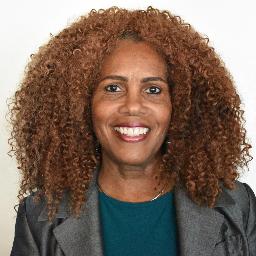
Cynthia Rumford-Jones
LCSW
California - 22 yrs exp




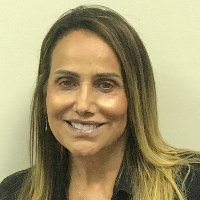
Claudia Santiago
LCSW
California - 12 yrs exp













How CBT Addresses ADHD - The Cognitive and Behavioral Mechanisms
Cognitive behavioral therapy, or CBT, works by helping you notice and change thought patterns and behaviors that interfere with daily functioning. When ADHD symptoms make it hard to organize tasks, stay focused, or manage impulsivity, CBT teaches practical strategies that target the underlying cognitive and behavioral processes. You learn to break down overwhelming tasks into smaller steps, reframe negative self-talk that feeds procrastination, and build routines that support attention and follow-through. Therapists also work with you to identify triggers for impulsive decisions and develop alternative responses that fit your life.
CBT for ADHD often combines skill training with problem-solving and structured practice. Cognitive techniques help you become aware of automatic thoughts that lead to avoidance or rushed actions. Behavioral techniques involve building habits through rehearsal, environmental changes, and consistent feedback. Over time these methods aim to increase predictability in daily life, reduce chaos related to missed deadlines and forgotten tasks, and strengthen executive skills such as planning, time management, and sustained attention.
Finding CBT-Trained Help for ADHD in California
Searching for a CBT therapist with ADHD experience in California involves looking beyond general credentials to find clinicians who emphasize treatment for attention differences. Many therapists in larger urban areas have additional training or certificates in CBT and extended experience with ADHD-related challenges. You can narrow your search by noting whether a clinician lists CBT as a primary approach and mentions ADHD, adult ADHD, or ADHD coaching in their profile. In Los Angeles and San Francisco, you may find a wider range of specialists who combine CBT with coaching techniques and executive functioning work. In more suburban or rural regions, telehealth options often increase your access to therapists with this specific training.
Licensure matters when you are evaluating fit. Therapists in California work under a range of credentials - clinical psychologists, licensed clinical social workers, licensed marriage and family therapists, and licensed professional clinical counselors - and many hold additional certifications or have completed specialized training in CBT for ADHD. You should ask about clinical experience with ADHD presentations, the typical age groups they treat, and whether they collaborate with other providers such as prescribers or school professionals when relevant.
What to Expect from Online CBT Sessions for ADHD
Online CBT sessions for ADHD can be highly practical and interactive. You will typically experience a structured session in which you and the therapist set an agenda, review homework or practice from the previous week, introduce new skills, and plan for applying those skills between sessions. Therapists often use screenshare tools to model organizational systems, work through time-management exercises, and co-create templates for calendars and task lists. The remote setting can make it easier to demonstrate real-time solutions by viewing the actual tools you use at home, such as your calendar or workspace.
Engagement and focus during virtual therapy are central topics of early sessions. Your therapist may begin with an assessment of how ADHD affects your daily routines and identify key areas to target, such as sleep, morning routines, or work-related distractions. Homework assignments are a common feature of CBT and may include short, manageable exercises designed to be repeated and refined. Regular check-ins and measurable goals help you see progress, and many therapists adapt pacing and structure to suit your attention span and energy levels.
Evidence Supporting CBT for ADHD in California
Research indicates that CBT-based approaches can be helpful for many people dealing with ADHD, particularly when the therapy focuses on skills like planning, organization, and impulse control. Studies often show improvements in goal-directed behaviors and day-to-day functioning when cognitive strategies are paired with behavioral practice. In California, clinicians commonly integrate evidence-based CBT techniques into personalized treatment plans, drawing on both clinical research and practical experience with diverse populations in cities like San Diego and Los Angeles.
It is important to understand that outcomes vary by individual and that CBT is often most effective when combined with other supports that a person may need. Some people find that medication, when appropriate and prescribed by a medical professional, alongside CBT produces the most consistent gains in attention and executive functioning. Your therapist can discuss the research in practical terms and help you weigh options that fit your preferences and circumstance.
Tips for Choosing the Right CBT Therapist for ADHD in California
Choosing the right therapist involves both practical and interpersonal considerations. Start by identifying clinicians who explicitly list CBT and ADHD on their profiles and look for descriptions of the specific techniques they use, such as organizational coaching, time management training, or cognitive restructuring for procrastination. Consider whether you prefer in-person sessions in a local office or the flexibility of virtual appointments that allow access to specialists across the state.
Ask about experience with cases similar to yours - for example, adults returning to school, parents managing a child with ADHD, or professionals seeking workplace strategies. In large urban centers like Los Angeles and San Francisco you may find therapists who specialize in certain age groups or who have additional training in related areas such as mood disorders or learning differences. In San Diego, therapists often bring experience working with both university students and professionals balancing demanding schedules.
Practical questions to raise during an initial consultation include session length and frequency, typical homework expectations, how progress is measured, and policies around cancellations. If cost is a concern, ask about insurance participation or sliding scale options. You should also discuss how the therapist coordinates care with other providers, such as primary care doctors, pediatricians, or psychiatrists, if you expect to work with a prescriber as part of your plan.
Making Therapy Work for You
Successful CBT for ADHD depends on consistent practice, realistic goal setting, and a therapist who helps you design strategies that suit your life. You can maximize the benefit by identifying a few high-priority areas to work on first, committing to small daily habits, and using the tools your therapist provides between sessions. Whether you are in a busy neighborhood of Los Angeles, a tech-focused area of San Francisco, or near the coast in San Diego, the right CBT approach can be adapted to your environment and schedule.
Begin with a clear sense of what you want to change and use initial consultations to find a clinician whose style and methods resonate with you. Over time, the skills you learn in CBT can become lasting supports for organization, focus, and emotional regulation, helping you manage the challenges of ADHD across work, school, and home life. When you are ready, reach out to a therapist listed on this page to ask about fit and next steps toward practical, skill-based care in California.
Next Steps
Take a moment to review therapist profiles and look for clinicians who describe an ADHD focus and CBT-based methods. Contact a few to compare approaches, ask about availability for in-person or online work, and choose someone who helps you feel understood and empowered to practice new strategies. Starting therapy is a step toward gaining tools that support clearer routines, improved task completion, and greater confidence in daily life.