Find a CBT Therapist for Social Anxiety and Phobia in Arkansas
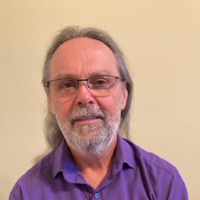
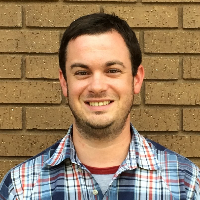
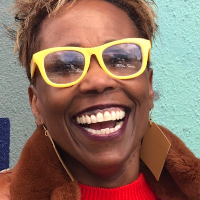
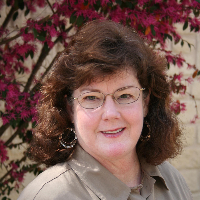
On this page you will find therapists across Arkansas who specialize in treating social anxiety and phobia using cognitive behavioral therapy. Browse therapist profiles below to compare training, treatment focus, and availability in Little Rock, Fort Smith, Fayetteville and surrounding communities.



















How CBT Treats Social Anxiety and Phobia
Cognitive behavioral therapy, or CBT, addresses social anxiety by targeting the thoughts, behaviors and physical reactions that maintain fears about social situations. In CBT you and your therapist work together to identify the patterns of thinking that amplify worry - for example anticipating humiliation, overestimating negative judgment, or interpreting neutral feedback as rejection. Once these cognitive patterns are clearer, you learn practical methods to test and shift them, often through structured experiments and thought-record techniques that make assumptions easier to evaluate.
Behavioral techniques are equally central. Exposure-based strategies involve gradually facing avoided situations in a planned and manageable way. Those exposures help reduce avoidance and teach new responses to anxiety so that social situations no longer trigger the same intensity of fear. You practice skills in session and apply them between sessions, so progress extends into daily life. Over time, the combination of cognitive change and repeated behavioral practice reduces the influence of anxious habits and builds confidence in social contexts.
What a CBT Approach Looks Like in Practice
A typical CBT program for social anxiety begins with assessment and goal setting. Your therapist will ask about the situations that provoke anxiety, the thoughts you notice, and how anxiety affects work, relationships and routines. From there you collaborate on goals that are specific and measurable - such as speaking up in a meeting, attending a social event, or making small talk at an appointment.
Sessions are structured and skills-focused. Early work often includes psychoeducation about the anxiety response, cognitive restructuring to challenge unhelpful thoughts, and planning of exposure exercises. Homework is a central part of CBT - you may keep brief logs of thoughts and feelings, record results of exposure experiments, or practice relaxation and conversation skills. Progress is tracked so that adjustments can be made if something is not working as expected.
Finding CBT-Trained Help for Social Anxiety in Arkansas
When searching for a CBT therapist in Arkansas, consider qualifications and relevant experience. Licensed mental health professionals who list CBT training, certification in cognitive behavioral approaches, or supervised experience treating anxiety disorders are likely to use the methods described above. Many clinicians combine CBT with adaptations for social anxiety, such as a strong emphasis on exposure and social skills practice. You can refine your search by geography if you prefer in-person work - major population centers like Little Rock, Fort Smith, Fayetteville and Springdale tend to offer more local options, while smaller towns may be served by therapists who travel or provide sessions online.
Ask about a clinician's experience with social anxiety specifically, since expertise with that condition often makes treatment more efficient. Inquire whether they use standardized measures to monitor progress, their typical course length, and how they approach exposures and homework. A brief introductory call or consultation can give you a sense of how the therapist explains CBT and whether their style feels collaborative and practical.
What to Expect from Online CBT Sessions
Online CBT sessions make evidence-based care accessible to people across Arkansas, including those who live outside larger cities. The structure of sessions generally mirrors in-person work: assessment, cognitive techniques, and planned exposures. For social anxiety, online sessions are especially convenient because you can work on exposures that fit your daily life and practice skills in real-world settings right after a session. Your therapist may guide an in-the-moment exposure over video or help you plan how to carry out an exercise between sessions.
Technology also allows for flexible scheduling and the ability to access specialists who may not be available locally. You should expect to cover confidentiality measures and logistical details during an initial appointment, as well as discuss what platform features are used for homework assignments, worksheets, and between-session messaging if offered. If you prefer in-person appointments, mention that in your search to find clinicians practicing near Little Rock, Fort Smith or Fayetteville.
Evidence Supporting CBT for Social Anxiety and Phobia
CBT has a strong evidence base for treating social anxiety and phobia across diverse populations. Research consistently shows that interventions combining cognitive restructuring with behavioral exposure reduce symptoms and improve daily functioning. In community and clinical settings, people who complete CBT-based programs often report fewer avoidance behaviors, reduced worry about social evaluation, and improved confidence in social interactions. This body of evidence underlies why many clinicians recommend CBT as a first-line treatment for social anxiety.
In Arkansas, therapists trained in CBT bring these methods into local practice. Whether you access care in larger clinics in Little Rock or through clinicians serving rural counties, the active, skills-based focus of CBT aims to deliver measurable gains in a relatively short time compared with open-ended therapy models. You can ask prospective therapists about the evidence they use in practice and whether they track outcomes to ensure the methods are helping you reach your goals.
Tips for Choosing the Right CBT Therapist in Arkansas
Choosing a therapist is both a practical and personal decision. Start by clarifying what matters most to you - location, availability, insurance participation, therapist training in CBT, or comfort with online sessions. When you contact a therapist, ask specific questions about their CBT training and experience treating social anxiety. Request examples of typical session structure and how they integrate exposure work. You may want to know whether they offer group CBT options, which can be particularly helpful for practicing social skills in a supported setting.
Consider how the therapist describes collaboration. A CBT clinician should be able to explain the rationale behind each technique and involve you in setting the pace for exposures. Discuss the expected timeline and how progress will be measured. If language, cultural background, or age-related expertise matters to you, bring that up early so you can find a therapist who understands your context. Many clinicians in Arkansas offer brief introductory sessions so you can assess rapport without committing to a long course of treatment.
Practical considerations
Check whether the clinician accepts your insurance or offers a sliding fee option if needed, and ask about cancellation policies and session length. If you live outside larger metropolitan areas, online appointments can widen your options and allow you to connect with therapists who specialize in CBT for social anxiety. Finally, trust your instincts about fit - therapy works best when you feel heard and engaged in the process.
Moving Forward
Getting started with CBT for social anxiety and phobia means finding a clinician whose approach aligns with your goals and who can guide you through skills practice and exposures. Whether you choose an in-person therapist in Little Rock, a clinician near Fort Smith, a specialist practicing in Fayetteville, or an online provider serving Springdale and beyond, the core elements of CBT offer a structured path toward manageable change. Use the profiles on this page to compare training, read descriptions of treatment style, and contact clinicians to learn how they tailor CBT to social anxiety and phobia in Arkansas.