Find a CBT Therapist for Self Esteem in Arkansas
This page lists CBT therapists in Arkansas who focus on improving self esteem using evidence-informed cognitive behavioral methods. You will find clinician profiles, locations, and information about their CBT approach. Browse the listings below to compare options and connect with a therapist near you.

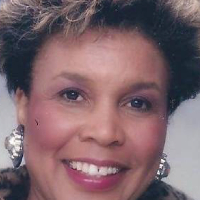

Treva Ross-Sanders
LPC
Arkansas - 25 yrs exp


















How CBT Specifically Treats Self Esteem
Cognitive behavioral therapy approaches self esteem by addressing the thoughts and behaviors that shape how you view yourself. Instead of treating self esteem as a fixed trait, CBT treats it as a pattern that emerges from repeated thinking styles and habits. You learn to identify critical self-talk, unrealistic comparisons, and mental filters that amplify perceived failures. Once those patterns are visible, CBT uses structured techniques to test and revise unhelpful beliefs, helping you build more balanced self-evaluations.
Cognitive mechanisms
CBT helps you examine automatic thoughts that contribute to low self esteem. You are guided to notice the immediate negative interpretations that occur in common situations - such as assuming you are not good enough after a setback. Through guided questioning, thought records, and behavioral experiments, you test whether those interpretations are accurate and develop alternative, more balanced perspectives. Over time, repeated practice replaces harsh, global self-judgments with more realistic appraisals that reflect your actual abilities and values.
Behavioral techniques
On the behavioral side, CBT encourages you to take actions that reinforce a healthier self-view. That may involve setting small, manageable goals that increase your sense of competence, practicing assertiveness in relationships, or engaging in activities that align with your values. Behavioral activation and graded exposure are used when avoidance has become a pattern that undermines confidence. By pairing new behaviors with revised thinking, CBT creates a feedback loop that supports sustained improvements in self esteem.
Finding CBT-Trained Help for Self Esteem in Arkansas
When you look for a CBT therapist in Arkansas, focus on clinicians who explicitly describe CBT training and experience with self esteem issues. Many therapists in urban centers like Little Rock, Fayetteville, Fort Smith and Springdale list CBT as a primary modality, but you can also find CBD-informed clinicians in smaller towns across the state. Review practitioner profiles to see descriptions of their approach, typical session structure, and whether they incorporate techniques such as cognitive restructuring, behavioral experiments, or self-compassion work within a CBT framework.
Licensing and professional credentials provide a baseline for quality. You can expect licensed psychologists, clinical social workers, and counselors to have differing training paths, but all may practice CBT if they have specific training and supervision. When you read profiles, look for mentions of CBT certification programs, workshops, or ongoing consultation focused on cognitive behavioral techniques. Those details help you gauge whether the therapist tailors CBT specifically for self esteem rather than using it in a general way.
What to Expect from Online CBT Sessions for Self Esteem
If you opt for online CBT, sessions often mirror in-person work while offering greater scheduling flexibility. You will typically begin with an assessment where the therapist asks about patterns of thinking and behavior that relate to self esteem, relevant life history, and current goals. After that, you and the therapist collaborate to build a treatment plan with concrete goals and measurable steps. Homework assignments are a common feature - thought records, behavioral experiments, or small practice tasks you complete between sessions to translate skills into everyday life.
Online sessions allow you to practice skills in the environments where self esteem challenges arise, such as at work or in social situations. Many therapists use screen-sharing to walk through worksheets or record short exercises. If you live in a more rural part of Arkansas, online CBT expands your access to clinicians who specialize in self esteem and ensures continuity even if travel is difficult. Be prepared to discuss technology, session frequency, and how progress will be tracked during your first appointment.
Evidence Supporting CBT for Self Esteem in Arkansas
Research across clinical settings has shown that cognitive behavioral approaches can produce meaningful changes in how people think about themselves. Studies indicate that interventions focused on cognitive restructuring and behavioral activation often reduce self-critical thinking and increase functional confidence. While much of the research comes from a range of populations and settings, clinicians in Arkansas apply these same principles in local practices and community mental health centers, adapting them to cultural and situational needs of the region.
When you seek a therapist, you can ask how they translate evidence into practice for self esteem work. Experienced CBT practitioners often use standardized measures to track changes in self-evaluation and daily functioning, which helps you and your therapist see what is working. These outcome-focused practices align with how CBT is taught and supervised, and they provide you a practical way to monitor progress over weeks and months.
Tips for Choosing the Right CBT Therapist for Self Esteem in Arkansas
Start by clarifying what you want to change and what matters most to you. When you contact a therapist, describe specific situations where your self esteem gets challenged and ask how they would approach those scenarios using CBT. A helpful clinician will explain the types of exercises you might do, the expected pacing of therapy, and how you will track progress. You should feel that the therapist listens to your goals and offers a clear plan that aligns with them.
Consider practical factors such as location, availability, and whether the therapist offers online sessions if that suits you better. If you live near Little Rock or Fayetteville, you may have access to a broader range of clinicians, while online options can widen choices if you are in a less populated part of the state. Ask about session length, typical course duration for self esteem work, and how flexible the therapist is with scheduling. Financial considerations are also important - inquire about fees, sliding scale options, and whether the clinician accepts insurance if that is relevant to you.
It is reasonable to request a brief initial phone or video consultation to get a sense of fit. Use that conversation to learn about the therapist's CBT training, experience with self esteem, and how they incorporate homework and measurement into therapy. Pay attention to whether the therapist explains techniques in plain language and whether you leave the consultation with clear next steps. Good fit often comes from a combination of clinical expertise and a rapport that makes it easier for you to try new ways of thinking and behaving.
Getting Started and What to Expect
Beginning CBT for self esteem involves commitment to both in-session learning and between-session practice. Early work focuses on building awareness of automatic thoughts and establishing small behavioral goals. Over time you will develop tools to challenge negative beliefs, test assumptions in real life, and build experiences that support a more realistic self-view. Progress is often gradual, with setbacks that provide useful information for adjusting the plan.
As you move forward, track the small changes you notice in how you interpret situations and in your willingness to try new activities. Celebrate progress that reflects steady practice rather than perfection. If you explore clinicians in larger Arkansas cities like Fort Smith or Springdale, or in smaller communities, look for those who emphasize measurement and collaboration. That approach makes it easier to see whether the CBT methods you are using are helping you reach the goals you set.
Finding the right CBT therapist takes time, but the structure of CBT gives you concrete tools to work with once you begin. Whether you meet a clinician near you or connect with someone online, clarity about training, approach, and practical details helps you make an informed choice. Reach out to therapists whose profiles resonate with your needs and start the conversation about how CBT can support stronger, more balanced self esteem.