Find a CBT Therapist for Compulsion in Alaska
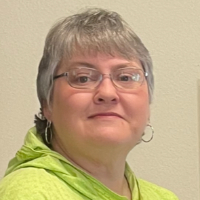
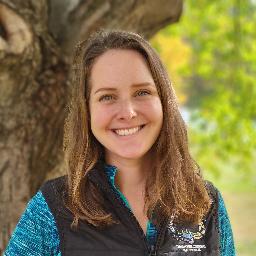
On this page you will find CBT-focused therapists in Alaska who work with compulsion and repetitive behaviors. Each listing highlights clinicians trained in cognitive-behavioral approaches - browse below to find a provider who fits your needs.
How CBT approaches compulsion
When you think about compulsive behavior, you are looking at actions that are often driven by intense urges and short-term relief. Cognitive-behavioral therapy, or CBT, addresses both the thinking patterns and the behaviors that maintain those urges. At its core, CBT helps you identify the automatic thoughts and beliefs that contribute to the urge to perform a compulsion and then introduces behavioral strategies that change the relationship between the urge and the action.
Cognitive mechanisms
CBT starts by helping you notice the mental processes that occur before and during a compulsion. You may work with a therapist to track the situations that trigger intrusive thoughts, the assumptions you make about risk or responsibility, and the immediate beliefs that justify performing a behavior. Through questioning and guided reflection, cognitive restructuring helps you test and modify these beliefs so that the urge no longer carries the same weight. Over time, changing how you think about the urge reduces its intensity and frequency.
Behavioral mechanisms
On the behavioral side, therapists often use exposure-based techniques to change how your body and brain respond to triggers. Exposure and response prevention, commonly called ERP, asks you to face a feared situation or intrusive thought without engaging in the habitual compulsion. Repeatedly practicing this response - or non-response - trains your nervous system to tolerate distress without needing the behavior for relief. Behavioral experiments and graded exposures build confidence and show you that the feared outcomes you expect are often unlikely or less catastrophic than believed.
Finding CBT-trained help for compulsion in Alaska
Searching for a therapist who uses CBT methods is an important step. In Alaska, clinicians practice in a variety of settings - community mental health centers, private practices, and clinics affiliated with hospitals. You can look for therapists who list CBT, ERP, or related training in their profiles. Many clinicians note additional training in treating compulsive behaviors and may offer an initial consultation to discuss approach and fit. If you live in Anchorage, Fairbanks, or Juneau, you may find clinicians who also provide in-person appointments; in more rural areas you may rely on remote sessions to access a clinician with specialized training.
Licensing and experience
When you evaluate listings, consider the therapist's clinical background and experience with compulsive behavior. Licensure indicates they have met state requirements to practice, while additional certifications or supervised experience in CBT and ERP suggest focused competence. You can ask about the clinician's caseload, how long they have worked with compulsive patterns, and whether they receive ongoing supervision or training in CBT methods.
What to expect from online CBT sessions for compulsion
Online CBT sessions make specialized care more accessible across Alaska's large geography. If you choose remote sessions, you can expect a structure similar to in-person work. Early sessions focus on assessment and goal setting - you and the therapist will map out the patterns you want to change and agree on measurable goals. You will likely receive homework tasks between sessions, such as thought records, behavioral experiments, or graded exposures to practice in real life.
Therapists who offer online CBT typically use secure video technology that complies with professional standards and allows for clear communication. Sessions tend to be collaborative and skill-based, with the therapist teaching techniques and guiding you through exposures while you report back on progress. You should feel supported in pacing exposures to match your comfort and capability, and the therapist will adjust the plan as you make gains. Online work also enables therapists to observe your home environment when relevant and to design exposures that fit your daily context.
Evidence supporting CBT for compulsion in Alaska
CBT, and specifically ERP, is widely endorsed by mental health professionals for treating compulsive behaviors. Research conducted in many settings has shown that focusing on cognitive restructuring and exposure techniques reduces the frequency of compulsive actions and decreases distress. Clinicians in Alaska adopt these evidence-based methods and adapt them to local needs - whether that means offering remote sessions for people in rural communities or tailoring exposures to culturally relevant situations.
While studies may come from a variety of regions and populations, the principles of CBT translate across locations because they target universal processes - thought patterns, learned avoidance, and the habit cycle. In Alaska, providers often combine CBT with practical considerations such as transportation, seasonal routines, and community resources, ensuring that evidence-based techniques are applied in a way that fits your life.
Tips for choosing the right CBT therapist for compulsion in Alaska
Choosing a therapist is a personal decision and finding a compatible CBT clinician can increase the chance that you will stick with treatment. Start by reviewing therapist profiles to see if they explicitly mention CBT or ERP training and experience with compulsive behaviors. Reach out to ask practical questions about availability, session format, and whether they offer a structured CBT plan. Many therapists provide a brief phone consultation so you can get a sense of their style and whether you feel comfortable working with them.
Consider logistical factors such as whether you prefer in-person sessions in a city like Anchorage, Fairbanks, or Juneau, or whether you need remote options due to distance. Ask about how they measure progress and how long they typically work with people focused on compulsions. It is reasonable to inquire about homework expectations since CBT often requires practice between sessions. You should also check whether the therapist collaborates with other professionals when needed, such as primary care providers or support services in your community.
Working with your therapist
Once you begin therapy, set clear, realistic goals and revisit them regularly. CBT is collaborative - you and your therapist will track changes in symptoms and adjust the plan if progress stalls. If you encounter setbacks, a skilled CBT clinician will help you analyze what happened and introduce new strategies. Over time, many people find that the skills learned in CBT provide durable tools for managing urges and preventing relapse.
Making the most of CBT in Alaska
Access to specialists can vary across Alaska, but a steady trend toward telehealth has made CBT more reachable. If you are living outside major cities, remote sessions can connect you to clinicians with specialized ERP training. In larger cities like Anchorage, you may have more options for in-person work and community-based resources. Whatever your location, prioritize a therapist who explains the CBT process clearly, sets collaborative goals, and helps you practice skills that transfer into your daily routines.
Seeking help for compulsion is a step toward greater control and flexibility in how you respond to urges. With a CBT-trained therapist, you will learn to challenge the thoughts that fuel compulsive actions and practice behavioral strategies that reduce the pull of those behaviors. Take time to review profiles, ask questions, and choose a clinician whose approach and availability match your needs. When you find the right fit, CBT can offer practical tools that you can use long after therapy ends.